Quick Answer: What Is It Like to Live in West Austin?
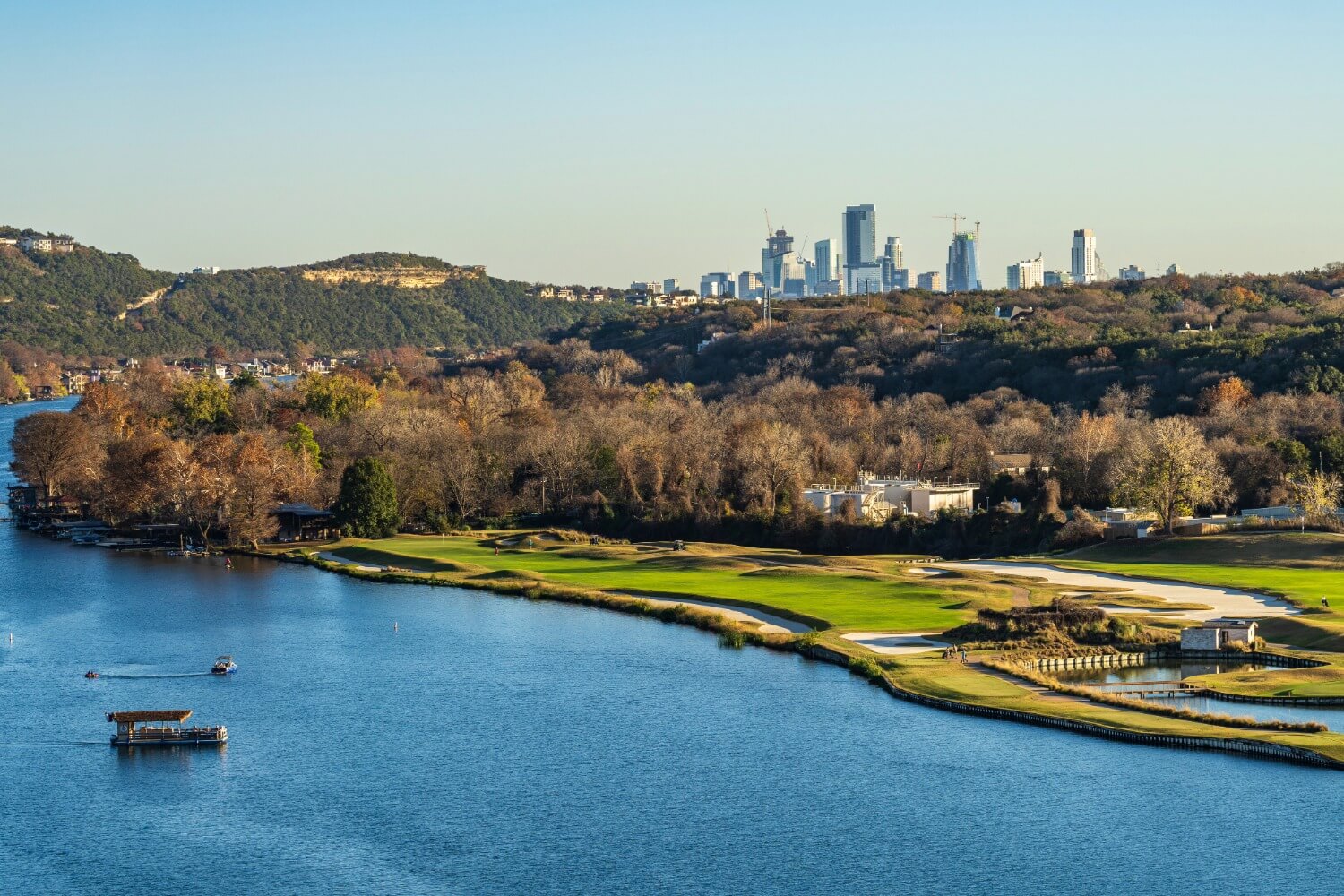
West Austin is known for its established neighborhoods, scenic Hill Country surroundings, access to Lake Austin and convenient proximity to downtown. Buyers can choose from historic cottages, renovated mid-century homes, luxury estates, waterfront properties, condominiums and newer communities farther west. Home prices are generally higher than the Austin average, but the area offers several distinct neighborhoods, highly regarded school options, popular shopping and dining destinations, and abundant outdoor recreation.
Key Takeaways
-
West Austin includes central neighborhoods such as Clarksville, Tarrytown and Pemberton Heights, as well as West Lake Hills, Rollingwood, Barton Creek and communities extending toward Bee Cave.
-
Housing options range from historic bungalows and downtown-adjacent condos to custom estates, waterfront homes and newer planned communities.
-
West Austin real estate is generally priced above the Austin citywide market, although prices vary significantly by neighborhood, school district, lot size and property type.
-
Public school assignments may fall within Austin ISD, Eanes ISD or Lake Travis ISD, depending on the property’s exact location.
-
Residents have convenient access to Lake Austin, West Austin Neighborhood Park, Mayfield Park, Red Bud Isle and other outdoor attractions.
-
Popular shopping and dining areas include Clarksville, Lake Austin Boulevard, Barton Creek Square, Bee Cave Road and Hill Country Galleria.
-
New construction is limited in established central neighborhoods, but buyers can find custom infill homes, luxury residential developments and newer communities farther west.
-
Relocating buyers should carefully verify commute times, school boundaries, municipal limits, property taxes, insurance costs and homeowners association requirements before purchasing.
West Austin real estate includes a wide mix of homes, from historic properties near downtown to modern estates, waterfront homes, condominiums and newer communities stretching west toward Barton Creek and Bee Cave. For homebuyers—especially those relocating to Austin—that range is exactly why West Austin deserves a closer look: the area combines established neighborhoods, Hill Country scenery, access to Lake Austin, top-rated school options and convenient connections to downtown, but buyer priorities can vary a lot from one part of West Austin to the next.
Because “West Austin” is a broad term rather than one formally defined neighborhood, it can describe central areas such as Clarksville and Tarrytown, the independent cities of West Lake Hills and Rollingwood, or communities farther west. This West Austin neighborhood guide walks through the housing market, key neighborhoods, home styles, school districts, restaurants, shopping, outdoor recreation, new developments, relocation considerations, and the questions buyers most often ask when comparing the area.
What Is Considered West Austin?
West Austin generally begins west of downtown and extends toward the Texas Hill Country. Its boundaries vary, but buyers commonly include several distinct areas in their West Austin home search.
Clarksville and Old West Austin
Located immediately west of downtown, Clarksville and Old West Austin provide one of the closest residential settings to Austin’s urban core. The area includes historic cottages, remodeled bungalows, townhomes, condominiums and newer luxury residences.
Residents have convenient access to downtown employers, local restaurants, galleries and businesses along West Sixth Street. Because land is limited, newer homes are typically custom infill projects or replacements for older properties rather than large subdivisions.
Tarrytown and Deep Eddy
Tarrytown is an established residential area between MoPac and Lake Austin. Housing ranges from older cottages and mid-century homes to extensively renovated properties, contemporary construction, and luxury estates.
Nearby Deep Eddy offers a mix of houses, duplexes, apartments and condominiums near Lake Austin Boulevard. Both areas provide relatively direct access to downtown while remaining close to waterfront recreation and neighborhood businesses.
Bryker Woods, Pemberton Heights and Old Enfield
These central-west neighborhoods are known for mature landscaping and architecturally varied homes. Buyers may encounter historic properties, traditional residences, mid-century designs and substantial renovation or redevelopment projects.
Pemberton Heights and Old Enfield generally contain larger properties, while Bryker Woods includes a broader mix of home sizes and styles. Inventory can be limited because these are established neighborhoods with relatively little undeveloped land.
West Lake Hills and Rollingwood
West Lake Hills and Rollingwood are separate municipalities located west of Austin. They are frequently included in West Austin real estate searches because of their proximity to downtown, Hill Country surroundings and access to Eanes Independent School District.
Homes range from older ranch-style properties to contemporary builds, hillside residences and large custom estates. Buyers should pay close attention to municipal boundaries, school assignments, property taxes and development regulations because these may differ from properties located within Austin city limits.
Barton Creek, Rob Roy and Davenport Ranch
Communities along Loop 360 and southwest of West Lake Hills generally offer larger homesites, gated sections, golf-course properties and Hill Country views. These areas can appeal to buyers who prioritize additional space or newer construction while maintaining access to central Austin.
Housing options include established luxury communities, custom homes and properties near Barton Creek Country Club. Some neighborhoods have mandatory homeowners associations, architectural requirements or private amenities that should be reviewed before purchasing.
Bee Cave and the Farther-West Corridor
Buyers seeking newer homes often expand their search toward Bee Cave and the communities surrounding Highway 71. This area includes planned neighborhoods, gated developments, custom-home communities and a growing collection of shopping and dining destinations.
Bee Cave is farther from downtown than central West Austin, but it may provide more opportunities for newer construction and community amenities. Buyers should test their expected commute during actual weekday traffic rather than relying only on map estimates.
West Austin Real Estate Market
West Austin is one of the higher-priced sections of the Austin housing market, although home values vary considerably by neighborhood, condition, lot, school district, and proximity to downtown or Lake Austin.
In May 2026, Redfin reported a median sale price of approximately $1.63 million for its defined West Austin market, an increase of 1.9% compared with the previous year. Homes sold after a median of 44 days, and the reported median price per square foot was approximately $545. By comparison, Austin’s citywide median listing price was approximately $589,000 in June 2026, illustrating the substantial premium associated with many West Austin addresses.
These figures should be treated as a broad snapshot rather than an estimate for every property. A condominium near downtown, a bungalow in Clarksville, a renovated Tarrytown home, and a waterfront estate can occupy entirely different price ranges.
What Buyers Can Expect
West Austin homes for sale may include:
West Austin usually has hundreds of active listings, with about 699 active real estate listings in the broader market.
-
Historic cottages and bungalows
-
Mid-century ranch homes
-
Renovated and expanded older properties
-
Contemporary custom homes
-
Downtown-adjacent condominiums
-
Hill Country estates
-
Gated and golf-course properties
-
Lake Austin waterfront homes
-
New infill construction
-
Newer planned communities farther west
Around 60% of West Austin listings are priced over $1 million, and the average home size is about 3,173 square feet, so buyers should expect a wide price range and pay close attention to the number of bedrooms, bathrooms, and total square footage. On average, West Austin homes remain on the market for 83 days.
Established central neighborhoods usually have limited vacant land. As a result, new inventory often comes from redevelopment, major renovation, or the replacement of an existing house. Larger new-home communities are more commonly found closer to Bee Cave and the western edges of the metro area.
Important Property Considerations
West Austin’s hills, older housing stock and varied municipal boundaries create several issues buyers should investigate carefully, and buyers should assess environmental risks such as flooding and wildfire before they purchase in West Austin.
Before making an offer, consider reviewing:
-
The age of the roof, plumbing, electrical system, and HVAC equipment
-
Foundation history, prior structural repairs, and whether a foundation inspection has addressed Central Texas expansive clay soils
-
Hillside drainage, erosion and retaining walls
-
Floodplain or waterfront restrictions
-
Wildfire exposure and insurance availability
-
City, county and extraterritorial-jurisdiction boundaries
-
Homeowners association rules and fees
-
Septic, sewer and utility arrangements
-
Tree protections and remodeling restrictions
-
The feasibility of future additions or redevelopment
Texas has no state income tax, but high property values in West Austin can mean high property taxes, so buyers should also budget for taxes, insurance and maintenance costs.
A property with an Austin mailing address may not necessarily be located within Austin city limits, assigned to Austin ISD or connected to the same utilities as a nearby home.
Schools Serving West Austin
Public school assignments depend on the property’s exact address. West Austin is primarily served by Austin Independent School District and Eanes Independent School District, although farther-west communities may fall within Lake Travis ISD or another district.
Austin ISD Elementary Schools
Several Austin ISD elementary schools serve central West Austin neighborhoods.
Casis Elementary School serves portions of Tarrytown and nearby areas. The school received an A rating in the 2025 Texas Education Agency accountability results and has a modernized campus developed through Austin ISD’s 2017 Bond program.
Highland Park Elementary School serves portions of northwest and central West Austin. It received an A rating in the 2025 TEA accountability results and has previously been recognized as a National Blue Ribbon School.
Bryker Woods Elementary School serves parts of Bryker Woods, Pemberton Heights, and surrounding neighborhoods. The school is an authorized International Baccalaureate World School offering the Primary Years Programme. It received a B overall rating in the 2025 TEA results, with an A in student achievement.
Eanes Independent School District
West Lake Hills, Rollingwood and several surrounding communities are served by Eanes ISD. The district currently operates five elementary schools, two middle schools, Westlake High School and an alternative program, serving over 7,500 students.
Its elementary campuses are:
-
Barton Creek Elementary
-
Bridge Point Elementary
-
Cedar Creek Elementary
-
Eanes Elementary
-
Forest Trail Elementary
Middle-school students attend either Hill Country Middle School or West Ridge Middle School, depending on their address. Eanes ISD reports that recent Niche rankings placed the district first in Texas and among the highest-ranked districts nationally. All nine schools in the district have been rated as exemplary. Rankings represent one outside organization’s methodology and should be considered alongside programs, campus visits and each student’s individual needs.
Private School Options
Private schools located in or near West Austin include St. Andrew’s Episcopal School, a coeducational K–12 school; St. Stephen’s Episcopal School, a day and boarding school serving grades 6–12; and Regents School of Austin, a K–12 classical Christian school situated on an 82-acre campus.
School attendance zones, ratings, and programs can change. Buyers should verify the assigned schools directly with the appropriate district before purchasing a home. Pauly Presley Realty does not rank schools or recommend one school over another.
Shopping in West Austin
West Austin provides access to both neighborhood shopping centers and larger regional destinations.
Barton Creek Square
Located near Loop 360 and MoPac, Barton Creek Square contains more than 180 stores and dining options. It is one of the largest traditional shopping centers serving the western side of Austin.
Hill Country Galleria
Farther west in Bee Cave, Hill Country Galleria combines more than 100 shops, restaurants and entertainment options in an open-air setting. The development also hosts community activities and seasonal events.
Buyers who want another major retail destination can also reach The Domain, a 1.5 million square foot shopping mall in Austin, TX.
Neighborhood Shopping Centers
Everyday services, grocery stores, fitness businesses and restaurants are concentrated along Bee Cave Road, Lake Austin Boulevard and Loop 360. Frequently used centers include Village at Westlake, Westlake Square and Davenport Village.
Residents of Clarksville and Old West Austin also have access to locally owned boutiques, galleries and businesses near West Sixth Street.
West Austin Restaurants and Dining
West Austin restaurants range from casual lakefront destinations to established fine-dining rooms.
Clarksville Dining
Clarksville contains several of Austin’s longest-running and most recognized restaurants. Jeffrey’s has served the neighborhood since 1975 and offers French-American fine dining with a focus on dry-aged beef. Nearby Josephine House operates from a renovated Clarksville cottage and offers breakfast, lunch, brunch, and dinner service.
Lake Austin Boulevard
Mozart’s Coffee Roasters is a popular waterfront stop for coffee and desserts. Hula Hut offers Tex-Mex and Polynesian-inspired dishes in a casual setting overlooking Lake Austin.
The area also provides easy access to Deep Eddy Pool and nearby waterfront recreation, making Lake Austin Boulevard a common destination for both residents and visitors.
Westlake and Loop 360
Dining options along Bee Cave Road and Loop 360 include neighborhood restaurants, coffee shops and larger retail-center establishments. The Grove Wine Bar & Kitchen and Oasthouse Kitchen + Bar are among the commonly visited restaurants in this part of West Austin.
Because West Austin covers a large geographic area, the closest dining district depends heavily on the neighborhood. Clarksville residents may be minutes from downtown restaurants, while buyers near Bee Cave will have easier access to Hill Country Galleria and the Highway 71 corridor.
Parks and Outdoor Recreation
West Austin’s location near Lake Austin and the Hill Country provides numerous opportunities for outdoor recreation.
West Austin Neighborhood Park
West Austin Neighborhood Park is located at 1317 West 10th Street near Clarksville and Old West Austin. The 3.27-acre city park includes open space and neighborhood recreational amenities.
Mayfield Park
Mayfield Park and Preserve is known for its historic cottage, gardens, lily ponds, and free-roaming peacocks. It provides a quieter outdoor destination near the Lake Austin waterfront.
Red Bud Isle
Red Bud Isle is a small recreation area located where Lake Austin meets Lady Bird Lake. Its shoreline access and trails make it a popular place for walking, paddling and visiting with dogs.
Additional outdoor destinations accessible from West Austin include the Barton Creek Greenbelt, Wild Basin Wilderness Preserve and trails located throughout the western Hill Country.
Notable New Developments and Communities
Although much of central West Austin is already developed, several luxury residential and mixed-use projects are adding new inventory.
Four Seasons Private Residences Lake Austin
Four Seasons Private Residences Lake Austin is planned on a 145-acre site with more than 3,000 feet of private waterfront. The project’s first phase is expected to include private residences, 28 villa lots and an extensive collection of resident amenities. In June 2026, JLL announced that the project had secured approximately $870 million in construction financing.
Sixth&Blanco
Sixth&Blanco is a mixed-use development under construction in Clarksville. The approximately two-acre project incorporates residences, hospitality, retail, restaurants, and gallery space while retaining portions of two historic building facades. The residential portion is planned to contain 10 private homes.
Madrone Canyon
Madrone Canyon is a newer gated community located farther west in Bee Cave. The development is planned for approximately 110 homesites and offers custom-home opportunities within the Lake Travis Independent School District.
Buyers interested in new construction should ask about construction timelines, builder contracts, design restrictions, tax estimates, homeowners association obligations, and which community amenities are complete versus planned.
Is West Austin Right for Your Move?
West Austin may be worth considering for buyers who value access to downtown, established residential neighborhoods, Lake Austin recreation, or Hill Country surroundings. The area also provides a wide range of property types, from historic central homes to newer luxury communities.
However, choosing the right neighborhood requires more than searching for West Austin homes for sale. Buyers should compare commute routes, school boundaries, property condition, municipal services, and the type of setting they want.
Someone who wants a walkable location near downtown may focus on Clarksville or Old West Austin. A buyer seeking an established residential neighborhood closer to Lake Austin might consider Tarrytown. Buyers prioritizing Eanes ISD may examine West Lake Hills, Rollingwood or surrounding communities, while those seeking newer construction may expand toward Bee Cave.
Tips for Relocating to West Austin
Before narrowing your home search, learn as much as you can about taxes, commute patterns, school boundaries, and property condition so you can compare options with more confidence.
-
Define your preferred section of West Austin. Decide whether proximity to downtown, Lake Austin, schools, larger lots, or newer construction matters most.
-
Test commute routes in person. Travel times can change significantly during weekday traffic, especially along Loop 360, Bee Cave Road and Highway 71.
-
Verify the school assignment. Do not assume that a neighborhood name, mailing address or nearby campus determines attendance.
-
Review the full monthly cost. Compare property taxes, insurance, homeowners association dues, utility arrangements and expected maintenance.
-
Investigate the land as carefully as the house. Drainage, elevation, retaining walls, trees and development restrictions can affect future plans.
-
Work with an agent familiar with individual West Austin neighborhoods. Pricing and buyer expectations can differ substantially between communities located only a few miles apart.
Explore West Austin Homes for Sale
Every part of West Austin offers a different combination of housing, location, scenery, and amenities. Pauly Presley Realty can help you compare neighborhoods, understand local market conditions, provide up-to-date information on West Austin properties, and help you find listings that align with your move.
Whether you are relocating from another state, moving across Austin, or searching for a second home, our team can provide local guidance throughout your West Austin real estate search.
Ready to explore West Austin homes for sale? Contact Pauly Presley Realty in Austin, TX to request help today, whether you want to search West Austin listings, compare Austin properties, or sell a current home before you move.
Frequently Asked Questions About West Austin
What neighborhoods are in West Austin?
West Austin commonly includes Clarksville, Old West Austin, Tarrytown, Deep Eddy, Bryker Woods, Pemberton Heights and Old Enfield. Broader searches may also include West Lake Hills, Rollingwood, Barton Creek, Davenport Ranch and communities extending toward Bee Cave.
How much do homes in West Austin cost?
Prices vary widely. Redfin reported a median West Austin sale price of approximately $1.63 million in May 2026, but individual properties can fall well below or substantially above that figure depending on neighborhood, size, condition, land and waterfront access. Generally speaking, the price per square foot in West Austin has shown signs of decline.
Which school districts serve West Austin?
Much of central West Austin is served by Austin ISD. West Lake Hills, Rollingwood and nearby communities are generally served by Eanes ISD. Farther-west properties may be assigned to Lake Travis ISD or another district. Buyers should verify the exact assignment using the property address.
Are there new homes in West Austin?
Yes, although large new subdivisions are uncommon in the established central neighborhoods. New inventory usually consists of custom infill homes, major redevelopment projects, luxury residences or newer communities closer to Bee Cave.
Is West Austin close to downtown Austin?
Central neighborhoods such as Clarksville, Old West Austin and Tarrytown are located immediately west of downtown. West Lake Hills and Rollingwood are farther west but still relatively close to central Austin. Bee Cave and the outer western communities require a longer drive.
Posted by Brad Pauly on
Enjoy this blog post? Click here to subscribe for updates
Leave A Comment